Like us on facebook
Follow us on twitter
review us on google

Ankle Sprains and Strains

Ankle sprains or strains are common injuries involving damage to the ligaments, tendons, or muscles that support the ankle joint. A sprain affects ligaments, while a strain involves muscles or tendons. These injuries often occur due to poor athletic conditions, muscle and ligament fatigue, or not warming up before activity. Being overweight can also increase stress on the ankle, raising the risk of injury. Symptoms include pain, swelling, bruising, and difficulty bearing weight. Ankle sprains can limit movement, if not treated properly. A podiatrist can provide accurate diagnosis, recommend rehabilitation, and offer support such as bracing or orthotics. If you have ankle pain, it is suggested that you consult a podiatrist who can determine if it is a sprain or a strain, and offer effective relief and treatment solutions. 

Although ankle sprains are common, they aren’t always minor injuries. If you need your ankle injury looked at, contact one of our podiatrists from Ocotillo Foot and Ankle Centers. Our doctors can provide the care you need to keep you pain-free and on your feet.

How Does an Ankle Sprain Occur?

Ankle sprains are the result of a tear in the ligaments within the ankle. These injuries may happen when you make a rapid shifting movement while your foot is planted. A less common way to sprain your ankle is when your ankle rolls inward while your foot turns outward.

What Are the Symptoms?

  • Pain at the sight of the tear
  • Bruising/Swelling
  • Ankle area is tender to touch
  • In severe cases, may hear/feel something tear
  • Skin discoloration

Preventing a Sprain

  • Wearing appropriate shoes for the occasion
  • Stretching before exercises and sports
  • Knowing your limits

Treatment of a Sprain

In many cases, the RICE method (Rest, Ice, Compression, and Elevate) is used to treat ankle sprains. However, you should see a podiatrist to see which treatment option would work best with your injury. In severe cases, surgery may be required.

It is important to ask your doctor about rehab options after you receive treatment for your injury. Stretching, strength training, and balance exercises may help the ankle heal while also preventing further injury.

If you have any questions, please feel free to contact our offices located in Chandler, and Phoenix, AZ . We offer the newest diagnostic and treatment technologies for all your foot care needs.


Read more about Ankle Sprains

Toes That Suddenly Burn With Pain

Gout is a form of inflammatory arthritis that often affects the big toe joint of the foot. It develops when uric acid builds up in the bloodstream and forms sharp crystals inside a joint. The pain usually begins suddenly, often during the night, and the joint may appear red, swollen, and extremely tender to touch. Even light pressure from a bedsheet can feel intense. Patients often describe the pain as burning or throbbing, and the skin around the joint may feel warm or tight. Common causes include high uric acid levels related to diet, dehydration, problems with kidney function, or genetics. A podiatrist can help diagnose gout through an examination, medical history, and sometimes blood tests or imaging. Treatment focuses on calming the inflammation and preventing future attacks. Care may include medication, supportive footwear, and guidance on lifestyle changes that reduce uric acid levels. Early treatment can protect the joint from long-term damage and reduce repeated flare-ups. If you think you may have gout, it is suggested that you make an appointment with a podiatrist. 

Gout is a foot condition that requires certain treatment and care. If you are seeking treatment, contact one of our podiatrists from Ocotillo Foot and Ankle Centers. Our doctors will treat your foot and ankle needs.

What Is Gout?

Gout is a type of arthritis caused by a buildup of uric acid in the bloodstream. It often develops in the foot, especially the big toe area, although it can manifest in other parts of the body as well. Gout can make walking and standing very painful and is especially common in diabetics and the obese.

People typically get gout because of a poor diet. Genetic predisposition is also a factor. The children of parents who have had gout frequently have a chance of developing it themselves.

Gout can easily be identified by redness and inflammation of the big toe and the surrounding areas of the foot. Other symptoms include extreme fatigue, joint pain, and running high fevers. Sometimes corticosteroid drugs can be prescribed to treat gout, but the best way to combat this disease is to get more exercise and eat a better diet.

If you have any questions, please feel free to contact our offices located in Chandler, and Phoenix, AZ . We offer the newest diagnostic and treatment technologies for all your foot care needs.
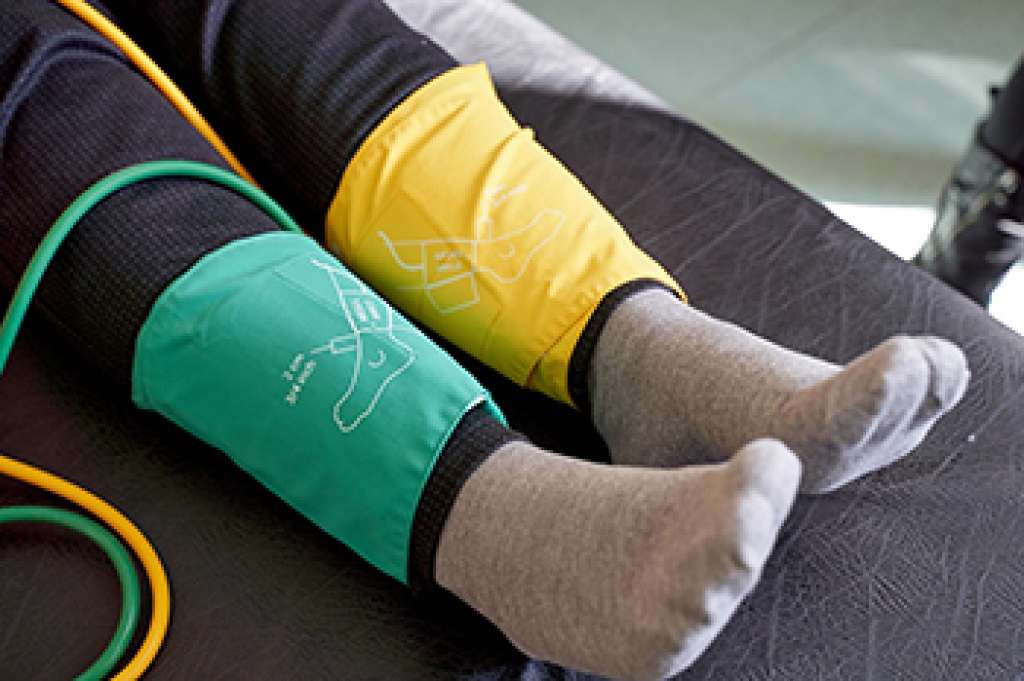
Read more about Everything You Need to Know About Gout

Proper Footwear for Healthcare Workers

Healthcare workers spend long hours standing and walking, which makes wearing proper footwear essential for comfort, safety, and injury prevention. Wearing well-fitted, supportive shoes helps reduce strain on the feet, ankles, and lower legs, which can lower the risk of conditions such as plantar fasciitis, tendon irritation, and joint discomfort. Protective, slip-resistant footwear can also help guard against workplace hazards, including exposure to blood-borne pathogens and other fluids that may be present in medical environments. Wearing supportive shoes can also help reduce muscle fatigue by providing cushioning and stability throughout demanding shifts. A podiatrist can evaluate foot structure, recommend proper footwear, and address developing foot problems. If foot pain or fatigue affects work performance, it is suggested that you promptly consult a podiatrist who can guide you on correct shoes to wear for ease and foot protection during your work day. 

While working on the feet, it is important to take the proper care of them. For more information about working on your feet, contact one of our podiatrists from Ocotillo Foot and Ankle Centers. Our doctors will treat your foot and ankle needs.

Working on Your Feet

Standing on your feet for long periods of time can cause stress and pain in your feet. Your whole body may experience change in terms of posture, back pain, bunions, callouses and or plantar warts. There are ways to avoid these conditions with proper foot care, smart choices and correct posture.

Positive Changes

Negative heeled shoe – Choosing this shoe type places the heel slightly lower than the ball of the foot. These are great for overall foot health. Find shoes that fit you correctly.

Go barefoot – Our feet were not designed to be enclosed for all hours of the day. Try to periodically expose your feet to air.

Eliminate Pain

Foot Exercises – Performing simple exercises, incorporating yoga and doing stretches are beneficial. This will allow increased blood flow to the area and muscles of the foot.

Achilles tendon – Stretching the foot out flat on the floor will relax the calf muscles and tendon. These exercises can be performed almost anywhere. Make sure you add these exercises to your daily regimen. 

With a little bit of this information and knowing more about foot health, you will notice changes. Foot stretches and proper footwear will help with pain and prevent further issues.

If you have any questions please contact our offices located in Chandler, and Phoenix, AZ . We offer the newest diagnostic and treatment technologies for all your foot and ankle needs.

Read more about Working on Your Feet

Why Bunions Form and How They Are Managed

A bunion develops when the tip of the big toe gradually shifts toward the smaller toes, causing a bony bump to form at the base of the joint. This change occurs over time as pressure alters the alignment of the bones in the forefoot. Wearing tight footwear, inherited foot structure, and flat arches can increase stress on the joint. As the joint moves out of place, the surrounding tissues may become swollen and tender. Symptoms often include redness, soreness, and difficulty wearing certain shoes. Some people notice stiffness or limited motion in the big toe. Early care focuses on easing pressure and slowing progression. Wearing wide, supportive shoes and using custom orthotics can improve alignment. Padding and anti-inflammatory measures may reduce discomfort. When pain interferes with daily life, further treatment options are discussed. If you have a painful bump near your big toe, it is suggested that you see a podiatrist for a proper diagnosis and appropriate treatment.

If you are suffering from bunion pain, contact one of our podiatrists of Ocotillo Foot and Ankle Centers. Our doctors can provide the care you need to keep you pain-free and on your feet.

What Is a Bunion?

Bunions are painful bony bumps that usually develop on the inside of the foot at the joint of the big toe. As the deformity increases over time, it may become painful to walk and wear shoes. Women are more likely to exacerbate existing bunions since they often wear tight, narrow shoes that shift their toes together. Bunion pain can be relieved by wearing wider shoes with enough room for the toes.

Causes

  • Genetics – some people inherit feet that are more prone to bunion development
  • Inflammatory Conditions - rheumatoid arthritis and polio may cause bunion development

Symptoms

  • Redness and inflammation
  • Pain and tenderness
  • Callus or corns on the bump
  • Restricted motion in the big toe

In order to diagnose your bunion, your podiatrist may ask about your medical history, symptoms, and general health. Your doctor might also order an x-ray to take a closer look at your feet. Nonsurgical treatment options include orthotics, padding, icing, changes in footwear, and medication. If nonsurgical treatments don’t alleviate your bunion pain, surgery may be necessary.

If you have any questions, please feel free to contact our offices located in Chandler, and Phoenix, AZ . We offer the newest diagnostic and treatment technologies for all your foot care needs.
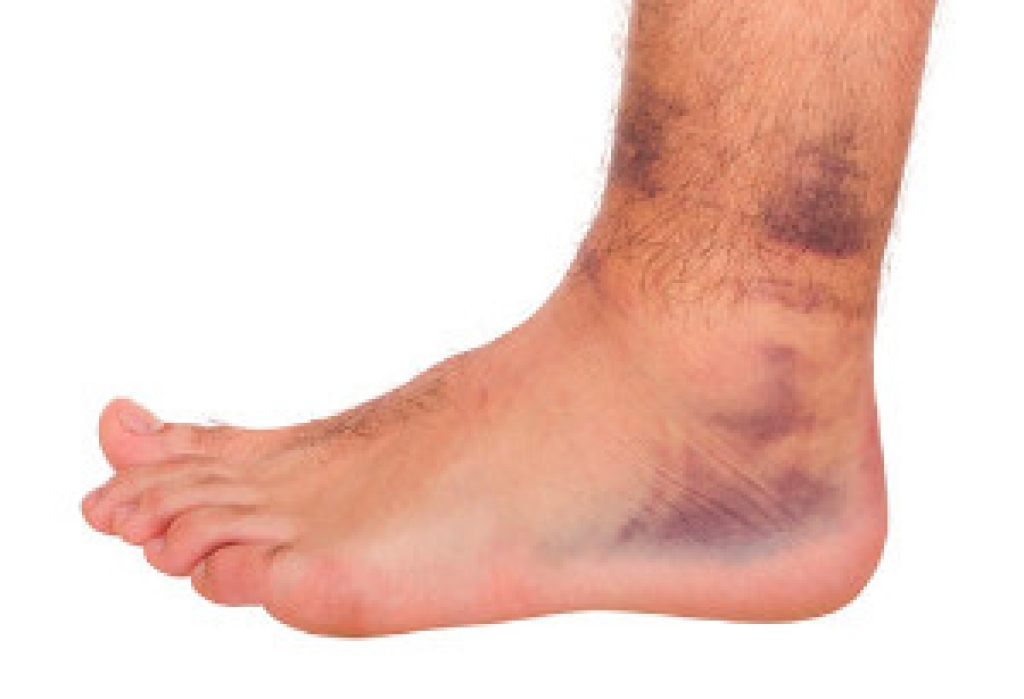
Read more about What Are Bunions?
scroll to top