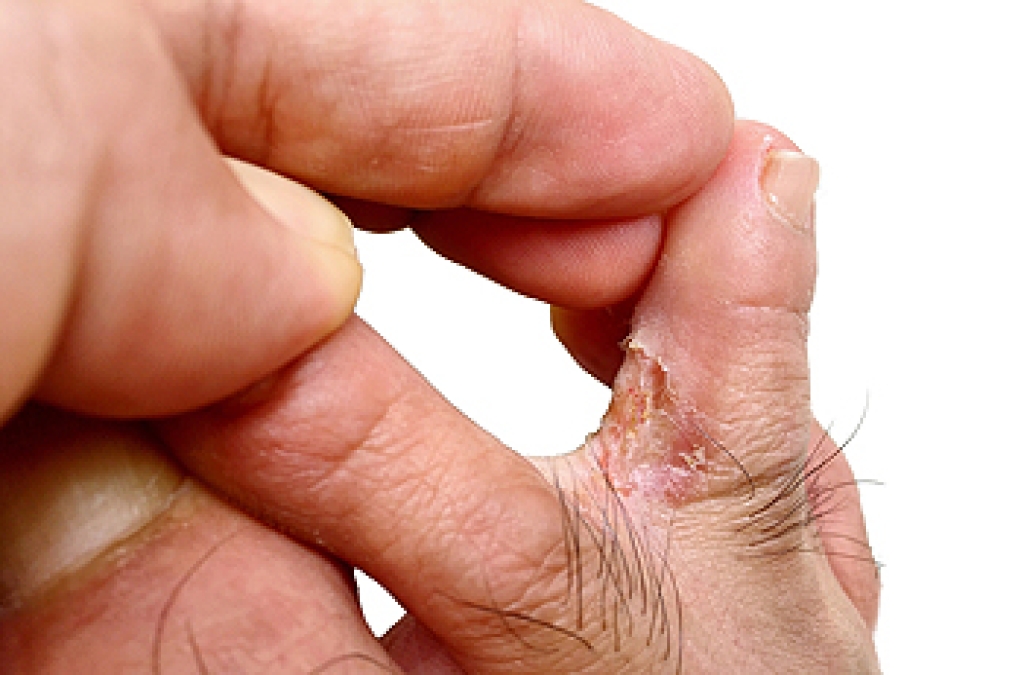
Neuropathy affects the nerves, which are the body's communication pathways. When nerves become damaged, they cannot properly send signals between the feet and the brain. Diabetes is one of the leading causes of neuropathy, although other health conditions can also contribute to nerve damage. Neuropathy in the feet can cause numbness, tingling, and burning sensations. Some people feel sharp pain, while others lose the ability to feel injuries. This loss of feeling is especially concerning because cuts, blisters, or pressure points can go unnoticed. As a result, a person may continue walking on an injured foot without realizing that damage has occurred.
Neuropathy can lead to serious foot complications when it is not properly monitored. Reduced sensation increases the risk of skin breakdown, infection, and foot ulcers. A foot ulcer is an open sore that develops when skin and tissue become damaged. People with neuropathy may also experience muscle weakness and changes in foot shape. These changes can place extra pressure on certain areas of the foot. Another concern is balance problems that increase the risk of falls. Because these complications can progress without obvious warning signs, regular evaluations play an important role in protecting foot health and reducing the risk of severe injury.
A podiatrist can assess nerve function and identify early signs of neuropathy before major complications develop. The examination may include testing sensation, checking the movement of blood through the body, and evaluating foot structure. A podiatrist can also identify areas of high pressure that increase the risk of developing ulcers. Patients with diabetes benefit from routine foot screenings because nerve damage can gradually worsen without noticeable symptoms. Early detection allows appropriate treatment and ongoing monitoring to help prevent complications. Professional foot care also supports safer mobility and better overall foot health. If you have symptoms of neuropathy in the feet, it is suggested that you schedule an appointment with a podiatrist for a diagnosis, appropriate treatment and management.
Neuropathy
Neuropathy can be a potentially serious condition, especially if it is left undiagnosed. If you have any concerns that you may be experiencing nerve loss in your feet, consult with one of our podiatrists from Ocotillo Foot and Ankle Centers. Our doctors will assess your condition and provide you with quality foot and ankle treatment for neuropathy.
What Is Neuropathy?
Neuropathy is a condition that leads to damage to the nerves in the body. Peripheral neuropathy, or neuropathy that affects your peripheral nervous system, usually occurs in the feet. Neuropathy can be triggered by a number of different causes. Such causes include diabetes, infections, cancers, disorders, and toxic substances.
Symptoms of Neuropathy Include:
- Numbness
- Sensation loss
- Prickling and tingling sensations
- Throbbing, freezing, burning pains
- Muscle weakness
Those with diabetes are at serious risk due to being unable to feel an ulcer on their feet. Diabetics usually also suffer from poor blood circulation. This can lead to the wound not healing, infections occurring, and the limb may have to be amputated.
Treatment
To treat neuropathy in the foot, podiatrists will first diagnose the cause of the neuropathy. Figuring out the underlying cause of the neuropathy will allow the podiatrist to prescribe the best treatment, whether it be caused by diabetes, toxic substance exposure, infection, etc. If the nerve has not died, then it’s possible that sensation may be able to return to the foot.
Pain medication may be issued for pain. Electrical nerve stimulation can be used to stimulate nerves. If the neuropathy is caused from pressure on the nerves, then surgery may be necessary.
If you have any questions, please feel free to contact our offices located in Chandler, and Phoenix, AZ . We offer the newest diagnostic and treatment technologies for all your foot care needs.