
Gout is a painful, inflammatory form of arthritis. Those affected will typically feel an intense stiffness in the joints of their feet, particularly in the big toe. Schedule a visit to learn about how gout can be managed and treated.


Gout is a painful, inflammatory form of arthritis. Those affected will typically feel an intense stiffness in the joints of their feet, particularly in the big toe. Schedule a visit to learn about how gout can be managed and treated.

A broken ankle, also called an ankle fracture, occurs when one or more bones that form the ankle joint break. The injury can range from a simple fracture in one bone to several breaks that make the ankle unstable. Common causes include twisting or rolling the ankle, falling, and experiencing a strong impact during an accident. Symptoms can begin immediately and may include severe pain, swelling, and bruising. Some people cannot place weight on the injured foot. More serious fractures may cause the ankle to appear deformed, especially when the joint has also moved out of its normal position.
Ankle fractures are classified partly by whether the broken bones remain properly aligned. A nondisplaced fracture means the bones have stayed in position. A displaced fracture means the broken pieces have separated. An open fracture occurs when broken bone creates a wound through the skin and requires immediate medical attention because of infection risk. X-rays are commonly used to locate the fracture and determine whether the bones have moved. In some cases, a CT scan can provide more detailed images of the ankle. Treatment depends on the location and severity of the fracture. Stable fractures may be treated without surgery, while unstable or displaced injuries can require surgical repair.
A podiatrist can evaluate a broken ankle and determine the extent of the injury. An examination may include checking the ankle, lower leg, and foot for tenderness or other signs of damage. Imaging can help determine the appropriate treatment plan and monitor bone healing. Recovery varies depending on the fracture, and early bone healing generally takes at least six weeks. Stiffness and swelling may continue for months after the bone has healed. Proper follow-up is important because complications can include bones healing incorrectly or failing to heal completely. Rehabilitation may also be needed to restore ankle movement and function. If you have severe ankle pain or difficulty bearing weight after an injury, it is suggested that you consult a podiatrist for prompt evaluation and appropriate treatment options.
Broken ankles need immediate treatment. If you are seeking treatment, contact one of our podiatrists from Ocotillo Foot and Ankle Centers. Our doctors can provide the care you need to keep you pain-free and on your feet.
Broken Ankles
A broken ankle is experienced when a person fractures their tibia or fibula in the lower leg and ankle area. Both of these bones are attached at the bottom of the leg and combine to form what we know to be our ankle.
When a physician is referring to a break of the ankle, he or she is usually referring to a break in the area where the tibia and fibula are joined to create our ankle joint. Ankles are more prone to fractures because the ankle is an area that suffers a lot of pressure and stress. There are some obvious signs when a person experiences a fractured ankle, and the following symptoms may be present.
Symptoms of a Fractured Ankle
If you suspect an ankle fracture, it is recommended to seek treatment as soon as possible. The sooner you have your podiatrist diagnose the fracture, the quicker you’ll be on the way towards recovery.
If you have any questions, please feel free to contact our offices located in Chandler, and Phoenix, AZ . We offer the newest diagnostic and treatment technologies for all your foot care needs.

Some diseases that affect the entire body can also produce noticeable problems in the feet. Peripheral artery disease, or PAD, is one example. PAD develops when atherosclerosis causes arteries in the legs to become narrowed. Atherosclerosis is the buildup of fatty material called plaque inside artery walls. As the arteries narrow, less blood can reach the lower legs and feet. Some people with PAD have no noticeable symptoms, while others experience discomfort when walking. Because the feet are far from the heart, circulation problems can become especially noticeable in this area of the body.
Foot-related signs of peripheral artery disease can become more serious as blood flow decreases. The feet may feel cool, while the skin can become thin or pale. Hair loss may also occur on the lower legs and feet. Some people develop aching or burning pain even while resting. More advanced PAD can lead to painful sores on the toes or heels that may have difficulty healing. Severe loss of circulation can eventually damage tissue. PAD is considered a systemic disorder because atherosclerosis may affect arteries elsewhere in the body as well. Diabetes, high blood pressure, and increasing age are among the factors associated with greater PAD risk.
A podiatrist can play an important role in recognizing changes in the feet that may indicate poor circulation. A foot examination can identify skin changes, sores, or abnormal pulses that may require further medical evaluation. Testing may also be needed to determine how well blood is reaching the lower extremities. Because reduced circulation can interfere with healing, professional foot care is particularly important when wounds or other skin problems develop. A podiatrist can provide appropriate foot care while coordinating with other medical professionals when necessary. If you notice persistent foot pain, skin changes, or slow-healing sores, it is suggested that you consult a podiatrist for an evaluation and appropriate treatment options.
When dealing with systemic disease of the feet, it is extremely important to check the affected areas routinely so that any additional problems are caught quickly. If you have any concerns about your feet and ankles contact one of our podiatrists from Ocotillo Foot and Ankle Centers. Our doctors will assist you with all of your podiatric needs.
Systemic Diseases of the Feet
Systemic diseases affect the whole body, and symptoms usually are displayed in the feet. This condition can make a patient’s ability to walk unbearable. Systemic diseases include gout, diabetes mellitus, neurological disorders, and arthritis.
Gout – is caused by an excess of uric acid in the body. Common symptoms include pain, inflammation, and redness at the metatarsal/phalangeal joint of the base big toe. Gout can be treated by NSAIDs to relieve pain and inflammation, and other drugs that lower the acid levels in the body.
Diabetes mellitus – is an increase in the level of blood sugar that the body cannot counteract with its own insulin. Failure to produce enough insulin is a factor in Diabetes.
Diabetes of the Feet
Diabetic Neuropathy – may lead to damaged nerves and affect the feet through numbness and loss of sensation.
Peripheral Vascular Disease – can restrict the blood flow to the feet, and often times lead to amputation of the feet.
If you have any questions please contact our offices located in Chandler, and Phoenix, AZ . We offer the newest diagnostic and treatment technologies for all your foot and ankle needs.
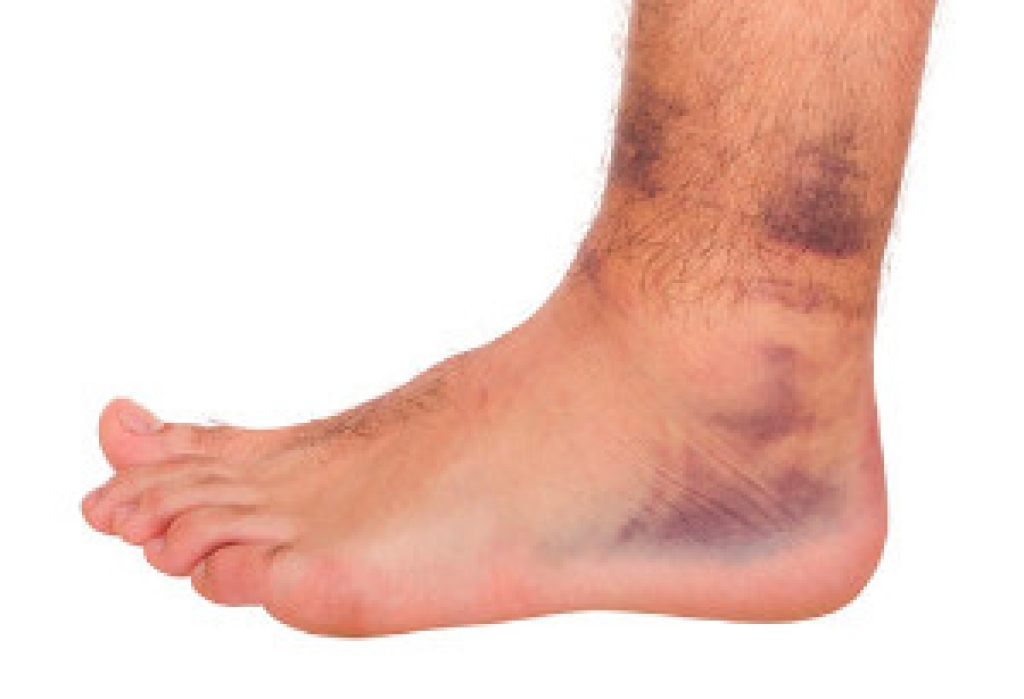
An ankle sprain happens when the ligaments supporting the ankle are stretched or torn beyond their normal range. It often occurs after a misstep, sudden direction changes, or uneven surface. The most common type is an inversion sprain, also called a lateral ankle sprain, which affects ligaments outside the ankle. Symptoms may include pain, swelling, and difficulty putting weight on the foot. Some people also notice ankle stiffness or weakness.
Several factors increase ankle sprain risk. Previous ankle injuries, poor balance, and sports involving jumping or rapid movements can make sprains more likely. Wearing poorly supportive footwear or walking on uneven ground can also contribute. An inversion injury happens when the foot rolls inward, placing stress on the outer ligaments. Less commonly, an eversion sprain affects ligaments on the inner side. Understanding the injury type helps a podiatrist determine treatment.
Ankle sprains have three grades. Grade 1 is a mild sprain involving stretched ligaments with limited swelling and little instability. Grade 2 is a moderate sprain involving a partial ligament tear, more swelling, bruising, and walking difficulty. Grade 3 is a severe sprain involving a complete ligament tear, significant swelling, marked instability, and trouble bearing weight. A podiatrist examines the ankle, checks tenderness and stability, and may order imaging tests for suspected fractures. Treatment can include rest, elevation, and bracing.
Healing begins by controlling pain and swelling while protecting the injured ligaments. A podiatrist may recommend an ankle brace or supportive footwear and guide a gradual return to activity. Follow-up visits help assess stability and recovery. If you have sprained your ankle, it is suggested that you consult a podiatrist for effective relief and treatment solutions.
Ankle sprains are common but need immediate attention. If you need your feet checked, contact one of our podiatrists from Ocotillo Foot and Ankle Centers. Our doctors can provide the care you need to keep you pain-free and on your feet.
How Does an Ankle Sprain Occur?
Ankle sprains take place when the ligaments in your ankle are torn or stretched beyond their limits. There are multiple ways that the ankle can become injured, including twisting or rolling over onto your ankle, putting undue stress on it, or causing trauma to the ankle itself.
What Are the Symptoms?
Preventing a Sprain
Treatment of a Sprain
Treatment of a sprain depends on the severity. Many times, people are told to rest and remain off their feet completely, while others are given an air cast. If the sprain is very severe, surgery may be required.
If you have suffered an ankle sprain previously, you may want to consider additional support such as a brace and regular exercises to strengthen the ankle.
If you have any questions please feel free to contact our offices located in Chandler, and Phoenix, AZ . We offer the newest diagnostic tools and technology to treat your foot and ankle needs.

Foot and ankle trauma can happen in a fall, sports mishap, or auto accident. During a crash, most people tense and brace for impact. The feet and ankles can absorb force from the collision and body weight. Each foot has 26 bones, plus joints, muscles, and soft tissues that support balance and movement. Damage to these structures can make standing or walking painful. Warning signs include pain, swelling, and changes in the foot’s shape. Numbness, weakness, or skin-color changes deserve attention because some injuries can worsen quickly.
Serious trauma can affect several areas of the foot. For instance, the force of an auto accident can injure the toes, middle foot, or heel when loose objects strike or crush the foot. The damage can involve puncture wounds, soft-tissue injuries, or broken and dislocated bones. A Lisfranc injury affects bones or joints in the middle of the foot and can cause lasting pain or poor balance when untreated. A heel bone fracture can happen when a strong impact crushes or breaks the heel. These problems can limit mobility and raise the risk of arthritis, infection, or an abnormal walking pattern.
A podiatrist can examine the injured area and check circulation and nerve function. X-rays and other imaging is ordered to find the type and severity of damage. Treatment options include a cast, a special boot, or supportive shoes. Some fractures, crushed bones, and severe joint injuries require surgery to restore alignment and stability. Early care can help protect movement and reduce the chance of long-term pain. Do not delay an evaluation because swelling or pain seems manageable at first. If you have foot or ankle trauma from a fall or accident, it is suggested that you promptly schedule an appointment with a podiatrist for a diagnosis and appropriate treatment.
Foot and ankle trauma is common among athletes and the elderly. If you have concerns that you may have experienced trauma to the foot and ankle, consult with one of our podiatrists from Ocotillo Foot and Ankle Centers. Our doctors will assess your condition and provide you with quality foot and ankle treatment.
Foot and ankle trauma cover a range of injuries all over the foot; common injuries include:
Symptoms
Symptoms of foot and ankle injuries vary depending on the injury, but more common ones include:
Diagnosis
To properly diagnose the exact type of injury, podiatrists will conduct a number of different tests. Some of these include sensation and visual tests, X-rays, and MRIs. Medical and family histories will also be taken into account.
Treatment
Once the injury has been diagnosed, the podiatrist can than offer the best treatment options for you. In less severe cases, rest and keeping pressure off the foot may be all that’s necessary. Orthotics, such as a specially made shoes, or immobilization devices, like splints or casts, may be deemed necessary. Finally, if the injury is severe enough, surgery may be necessary.
If you have any questions, please feel free to contact our offices located in Chandler, and Phoenix, AZ . We offer the newest diagnostic and treatment technologies for all your foot care needs.
