Like us on facebook
Follow us on twitter
review us on google

Causes and Symptoms of Midfoot Sprains

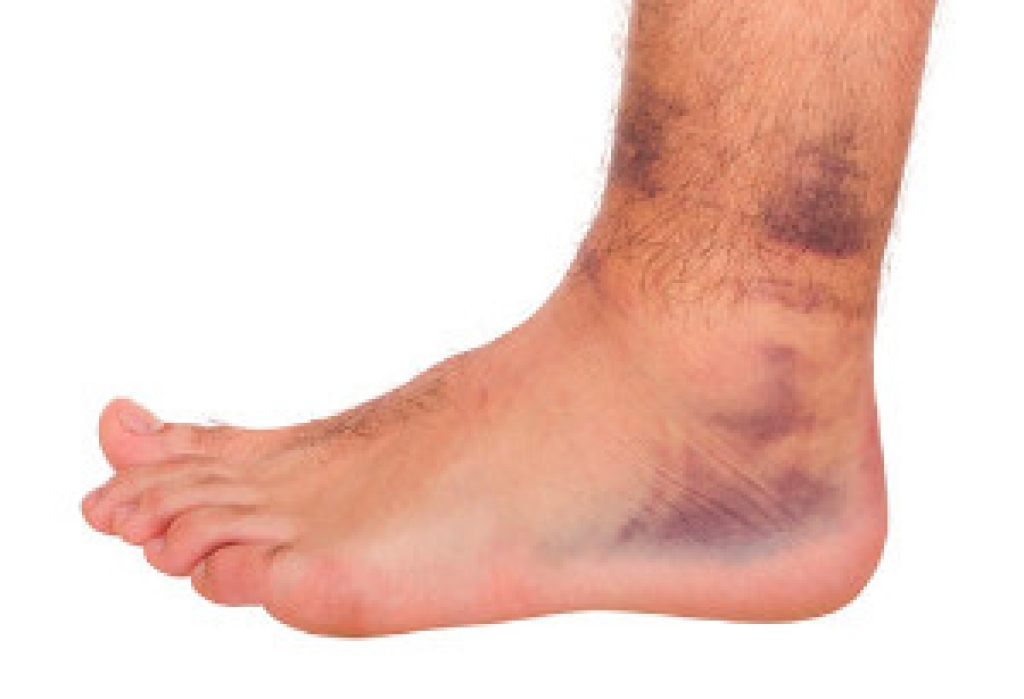
A midfoot sprain develops when the ligaments that support the arch are overstretched or torn during a sharp twist, fall, or sudden impact. Sports that demand quick direction changes, jumps, or landing on a flexed foot can strain the midfoot. Everyday slips where the foot bends awkwardly can also injure this area. Midfoot sprains cause pain through the arch, swelling, bruising, and difficulty in placing weight on the foot. The pain often increases when pushing off the toes or standing on uneven surfaces. Wearing shoes with inadequate support, especially flexible styles such as flip-flops, can place additional stress on the midfoot. A podiatrist can assess ligament damage, determine if a fracture is present, and discuss whether supportive care or surgery is needed as part of a treatment plan. If you have sustained a midfoot sprain, it is suggested that you make an appointment with a podiatrist for a diagnosis and treatment.

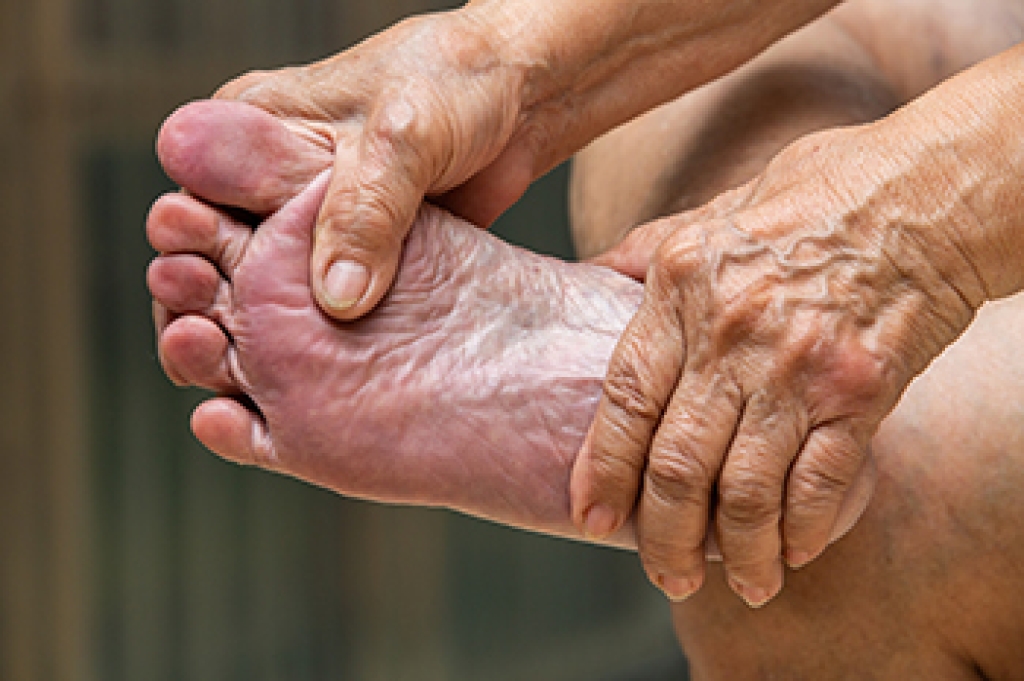
Foot Pain

Foot pain can be extremely painful and debilitating. If you have a foot pain, consult with one of our podiatrists from Ocotillo Foot and Ankle Centers. Our doctors will assess your condition and provide you with quality foot and ankle treatment.

Causes

Foot pain is a very broad condition that could be caused by one or more ailments. The most common include:

  • Bunions
  • Hammertoes
  • Plantar Fasciitis
  • Bone Spurs
  • Corns
  • Tarsal Tunnel Syndrome
  • Ingrown Toenails
  • Arthritis (such as Gout, Rheumatoid, and Osteoarthritis)
  • Flat Feet
  • Injury (from stress fractures, broken toe, foot, ankle, Achilles tendon ruptures, and sprains)
  • And more

Diagnosis

To figure out the cause of foot pain, podiatrists utilize several different methods. This can range from simple visual inspections and sensation tests to X-rays and MRI scans. Prior medical history, family medical history, and any recent physical traumatic events will all be taken into consideration for a proper diagnosis.

Treatment

Treatment depends upon the cause of the foot pain. Whether it is resting, staying off the foot, or having surgery; podiatrists have a number of treatment options available for foot pain.

If you have any questions, please feel free to contact our offices located in Chandler, and Phoenix, AZ . We offer the newest diagnostic and treatment technologies for all your foot care needs.


Read more about Foot Pain

The Strain That Long Hours on Your Feet Can Create

Spending most of the day standing can place steady pressure on the feet, ankles, and lower legs. Over time, this constant load may lead to aching arches, heel discomfort, swelling, or tight calf muscles. Some individuals also develop calluses, changes in posture, or fatigue that spreads into the knees or lower back. Hard floors, wearing unsupportive shoes, and limited opportunities to rest add to the strain and make recovery slower. Small changes such as choosing footwear with cushioning, taking brief seated breaks, and stretching during the day can help reduce stress on the feet. Paying attention to early signs of discomfort allows you to address concerns before they interfere with work or daily routines. If soreness becomes persistent or affects your movement, it is suggested that you schedule an appointment with a podiatrist for personalized care.

While working on the feet, it is important to take the proper care of them. For more information about working on your feet, contact one of our podiatrists from Ocotillo Foot and Ankle Centers. Our doctors will treat your foot and ankle needs.

Working on Your Feet

Standing on your feet for long periods of time can cause stress and pain in your feet. Your whole body may experience change in terms of posture, back pain, bunions, callouses and or plantar warts. There are ways to avoid these conditions with proper foot care, smart choices and correct posture.

Positive Changes

Negative heeled shoe – Choosing this shoe type places the heel slightly lower than the ball of the foot. These are great for overall foot health. Find shoes that fit you correctly.

Go barefoot – Our feet were not designed to be enclosed for all hours of the day. Try to periodically expose your feet to air.

Eliminate Pain

Foot Exercises – Performing simple exercises, incorporating yoga and doing stretches are beneficial. This will allow increased blood flow to the area and muscles of the foot.

Achilles tendon – Stretching the foot out flat on the floor will relax the calf muscles and tendon. These exercises can be performed almost anywhere. Make sure you add these exercises to your daily regimen. 

With a little bit of this information and knowing more about foot health, you will notice changes. Foot stretches and proper footwear will help with pain and prevent further issues.

If you have any questions please contact our offices located in Chandler, and Phoenix, AZ . We offer the newest diagnostic and treatment technologies for all your foot and ankle needs.

Read more about How to Handle a Long Work Day on Your Feet

Get Professional Care for a Broken Foot or Ankle

Constant care and regular evaluation are important for a foot or ankle fracture. If left untreated, foot or ankle fractures can worsen over time and create more serious problems.

Don't wait to be examined if you believe you've experienced a foot or ankle fracture.

Common Foot Troubles Runners Need to Watch For

Runners push their feet through repetitive impact, quick transitions, and changing terrains, which makes certain running injuries more likely to develop. Sore arches, tight calves, and aching heels are common early signs that the tissues are working harder than they should. Over time, this strain can lead to plantar fasciitis, stress reactions in the bones, tendon irritation, or painful blisters that make every step feel more demanding. Some runners also notice numbness, burning, or tingling when shoes are too tight or if the foot structure needs more support. These issues often start small, but can quickly disrupt training if ignored. Paying attention to shoe fit, gradually increasing mileage, and allowing proper recovery between runs can make a significant difference. Listening to early symptoms helps prevent long-term injury and keeps running enjoyable. If discomfort persists, interferes with your stride, or continues after rest, it is suggested that you see a podiatrist for evaluation and appropriate care.

Exercising your feet regularly with the proper foot wear is a great way to prevent injuries. If you have any concerns about your feet, contact one of our podiatrists of Ocotillo Foot and Ankle Centers. Our doctors will treat your foot and ankle needs.

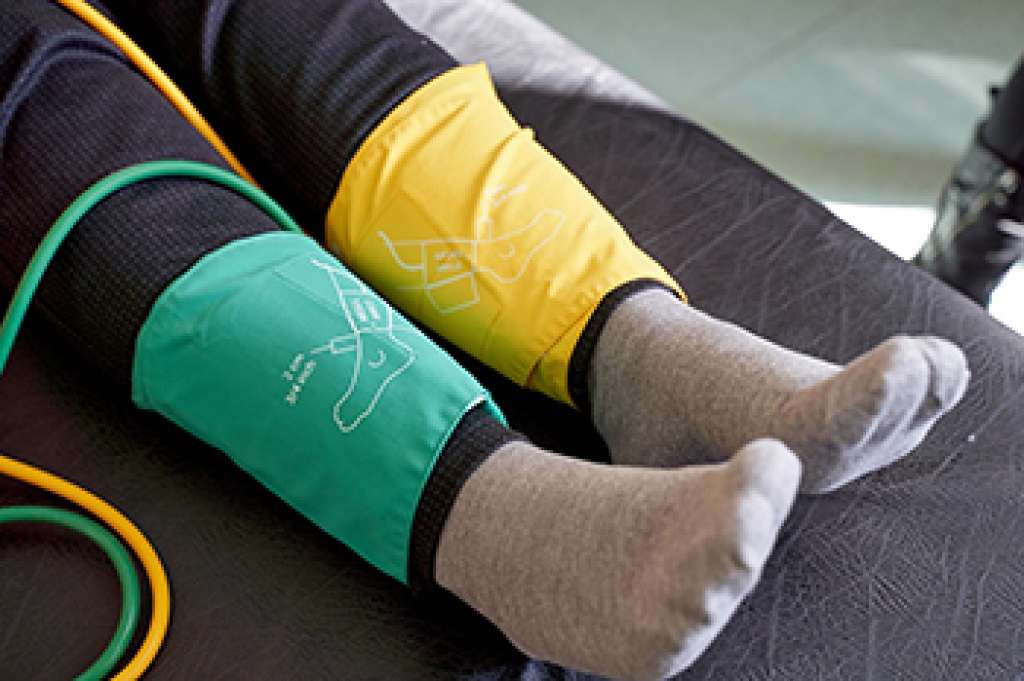
How to Prevent Running Injuries

Many common running injuries are caused by overuse and overtraining. When the back of the kneecap starts wearing out and starts causing pain in your knee, this is commonly referred to as runner’s knee. Runner’s knee is a decrease in strength in your quadriceps and can occur if you’re not wearing properly fitted or supporting shoes. To prevent runner’s knee, focusing on hip strengthening is a good idea, as well as strengthening your quads to keep the kneecaps aligned.

What Are Some Causes of Running Injuries? 
- One cause of a common running injury is called iliotibial band syndrome.
- Plantar fasciitis is also another common injury.
- Stress fractures can occur from overtraining, lack of calcium, or even your running style.

Best Ways to Prevent Running Injuries
- Wear footwear that fits properly and suits your running needs.
- Running shoes are the only protective gear that runners have to safeguard them from injury.
- Make a training schedule. Adding strengthening exercises as well as regular stretching can help keep you strong and limber and can lessen the possibility of injuries.
- Stretching keeps muscles limber; this will help you gain better flexibility.

If you have any questions, please feel free to contact our offices located in Chandler, and Phoenix, AZ . We offer the newest diagnostic and treatment technologies for all your foot care needs.
Read more about How to Prevent Running Injuries

The Painful Bump of a Bunionette

A bunionette, also known as a tailor’s bunion, is a bony bump that forms on the outside of the foot near the base of the little toe. It develops when the fifth metatarsal bone shifts outward while the toe moves inward. This is often due to inherited foot structure, poor footwear choices, or repetitive pressure on the side of the foot. Symptoms include redness, swelling, and pain, especially when wearing tight or narrow shoes. The area may appear raised and tender, and the skin can become irritated or callused. Walking or standing for long periods may worsen the discomfort. A podiatrist can diagnose a bunionette through physical examination and imaging to assess the alignment of the bones. Treatment may include shoe modifications, padding, custom orthotics, and anti-inflammatory measures. In more severe cases, surgery may be needed to correct the deformity. If you notice a painful bump near your little toe, it is suggested that you make an appointment with a podiatrist for help.

If you are suffering from bunions, contact one of our podiatrists of Ocotillo Foot and Ankle Centers. Our doctors can provide the care you need to keep you pain-free and on your feet.

What Is a Bunion?

A bunion is formed of swollen tissue or an enlargement of boney growth, usually located at the base joint of the toe that connects to the foot. The swelling occurs due to the bones in the big toe shifting inward, which impacts the other toes of the foot. This causes the area around the base of the big toe to become inflamed and painful.

Why Do Bunions Form?

Genetics – Susceptibility to bunions are often hereditary

Stress on the feet – Poorly fitted and uncomfortable footwear that places stress on feet, such as heels, can worsen existing bunions

How Are Bunions Diagnosed?

Podiatrists often perform two tests – blood tests and x-rays – when trying to diagnose bunions, especially in the early stages of development. Blood tests help determine if the foot pain is being caused by something else, such as arthritis, while x-rays provide a clear picture of your bone structure to your provider.

How Are Bunions Treated?

  • Refrain from wearing heels or similar shoes that cause discomfort
  • Select wider shoes that can provide more comfort and reduce pain
  • Anti-inflammatory and pain management drugs
  • Orthotics or foot inserts
  • Surgery

If you have any questions, please feel free to contact our offices located in Chandler, and Phoenix, AZ . We offer the newest diagnostic and treatment technologies for all your foot care needs.
Read more about Bunions
scroll to top