
Like us on facebook
Follow us on twitter
review us on google

Cuboid Syndrome in Active Individuals

Cuboid syndrome is a foot condition that occurs when the cuboid bone on the outer side of the foot becomes partially displaced or loses its normal alignment. It commonly affects athletes because of repetitive stress, sudden changes in direction, or ankle injuries that strain the surrounding ligaments. Symptoms often include sharp or aching pain along the outside of the foot, tenderness, swelling, and difficulty pushing off during walking or running. Pain may worsen with activity and improve with rest. A podiatrist can accurately diagnose cuboid syndrome, restore proper joint alignment, reduce inflammation, and recommend supportive footwear or custom orthotics to prevent recurrence. If outer foot pain is limiting your athletic performance or daily movement, it is suggested that you consult a podiatrist who can provide an accurate diagnosis and treatment.

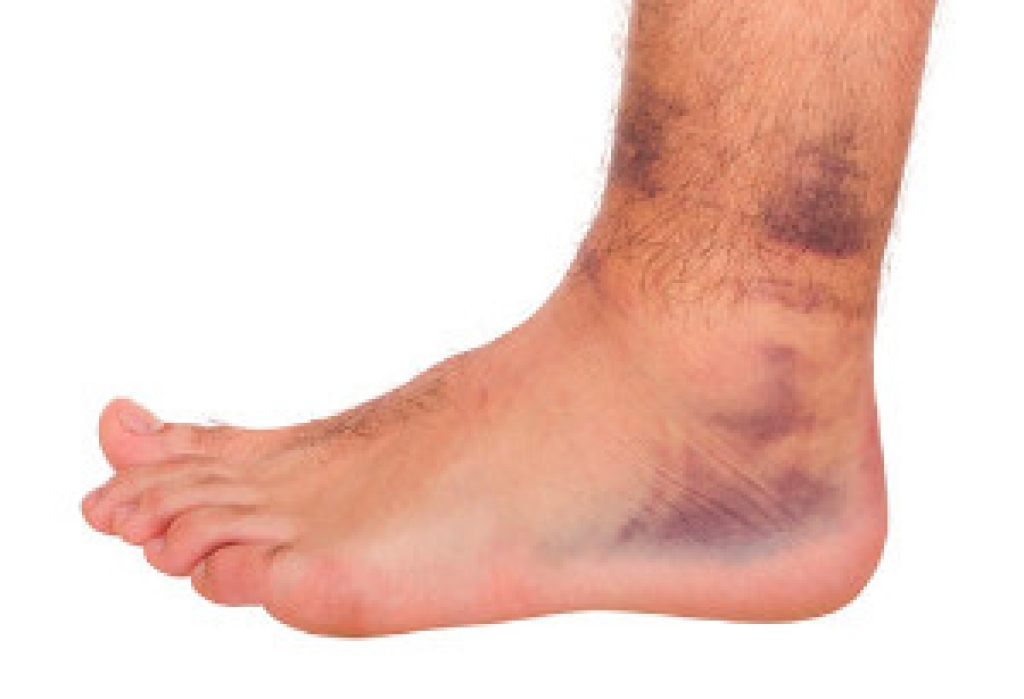
Cuboid syndrome, also known as cuboid subluxation, occurs when the joints and ligaments near the cuboid bone in the foot become torn. If you have cuboid syndrome, consult with one of our podiatrists from Ocotillo Foot and Ankle Centers. Our doctors will assess your condition and provide you with quality foot and ankle treatment.

Cuboid syndrome is a common cause of lateral foot pain, which is pain on the outside of the foot. The condition may happen suddenly due to an ankle sprain, or it may develop slowly overtime from repetitive tension through the bone and surrounding structures.

Causes

The most common causes of cuboid syndrome include:

  • Injury – The most common cause of this ailment is an ankle sprain.
  • Repetitive Strain – Tension placed through the peroneus longus muscle from repetitive activities such as jumping and running may cause excessive traction on the bone causing it to sublux.
  • Altered Foot Biomechanics – Most people suffering from cuboid subluxation have flat feet.

Symptoms

A common symptom of cuboid syndrome is pain along the outside of the foot which can be felt in the ankle and toes. This pain may create walking difficulties and may cause those with the condition to walk with a limp.

Diagnosis

Diagnosis of cuboid syndrome is often difficult, and it is often misdiagnosed. X-rays, MRIs and CT scans often fail to properly show the cuboid subluxation. Although there isn’t a specific test used to diagnose cuboid syndrome, your podiatrist will usually check if pain is felt while pressing firmly on the cuboid bone of your foot.

Treatment

Just as the range of causes varies widely, so do treatments. Some more common treatments are ice therapy, rest, exercise, taping, and orthotics.

If you have any questions, please feel free to contact our offices located in Chandler, and Phoenix, AZ . We offer the newest diagnostic and treatment technologies for all your foot care needs.
Read more about Cuboid Syndrome

Treatment Options for Achilles Insertional Tendinopathy

Pain where the Achilles tendon attaches to the heel bone is called Achilles insertional tendinopathy. This condition often develops gradually and can be stubborn to resolve. Treatment usually begins with reducing strain on the tendon. Activity modification is important, especially avoiding hills, stairs, and sudden increases in exercise. Wearing supportive shoes with a slightly elevated heel can decrease tension at the site. Stretching should be approached carefully, since aggressive stretching may worsen symptoms in this area. Targeted exercises often focus on strengthening the lower leg muscles and improving ankle motion in a controlled way. Anti-inflammatory measures may help calm pain and swelling. In some cases, orthotics or heel lifts are used to improve foot mechanics and reduce stress on the tendon. Advanced options may be considered if pain persists. When heel pain limits walking or daily activity, it is suggested that you see a podiatrist for a proper diagnosis and appropriate treatment.

Achilles tendon injuries need immediate attention to avoid future complications. If you have any concerns, contact one of our podiatrists of Ocotillo Foot and Ankle Centers. Our doctors can provide the care you need to keep you pain-free and on your feet.

What Is the Achilles Tendon?

The Achilles tendon is a tendon that connects the lower leg muscles and calf to the heel of the foot. It is the strongest tendon in the human body and is essential for making movement possible. Because this tendon is such an integral part of the body, any injuries to it can create immense difficulties and should immediately be presented to a doctor.

What Are the Symptoms of an Achilles Tendon Injury?

There are various types of injuries that can affect the Achilles tendon. The two most common injuries are Achilles tendinitis and ruptures of the tendon.

Achilles Tendinitis Symptoms

  • Inflammation
  • Dull to severe pain
  • Increased blood flow to the tendon
  • Thickening of the tendon

Rupture Symptoms

  • Extreme pain and swelling in the foot
  • Total immobility

Treatment and Prevention

Achilles tendon injuries are diagnosed by a thorough physical evaluation, which can include an MRI. Treatment involves rest, physical therapy, and in some cases, surgery. However, various preventative measures can be taken to avoid these injuries, such as:

  • Thorough stretching of the tendon before and after exercise
  • Strengthening exercises like calf raises, squats, leg curls, leg extensions, leg raises, lunges, and leg presses

If you have any questions please feel free to contact our offices located in Chandler, and Phoenix, AZ . We offer the newest diagnostic tools and technology to treat your foot and ankle needs.

Read more about What are Achilles Tendon Injuries

Relieving Pain With Plantar Fasciitis Exercises

Plantar fasciitis is a common cause of heel and arch discomfort that can interfere with daily movement and comfort. Targeted exercises can help relieve pain by improving flexibility, strength, and support in the foot and lower leg. The gastrocnemius stretch is performed by standing with one leg behind the other and gently leaning forward to stretch the upper calf, which helps reduce strain on the heel. The soleus stretch is done in a similar position with the back knee slightly bent to target deeper calf muscles that affect walking mechanics. Additionally, a plantar fascia stretch can be performed by pulling the toes back toward the shin while seated to stretch the tissue along the bottom of the foot. Strengthening exercises such as the short foot exercise involve gently lifting the arch without curling the toes, while marble pick ups require grasping small objects with the toes to improve muscle control. If you have heel pain, it is suggested that you consult a podiatrist who can accurately plantar fasciitis, and guide you toward additional pain-relieving techniques.

Exercising your feet regularly with the proper foot wear is a great way to prevent injuries and build strength. If you have any concerns about your feet, contact one of our podiatrists from Ocotillo Foot and Ankle Centers. Our doctors can provide the care you need to keep you pain-free and on your feet.

Exercise for Your Feet

Exercise for your feet can help you gain strength, mobility and flexibility in your feet. They say that strengthening your feet can be just as rewarding as strengthening another part of the body. Your feet are very important, and we often forget about them in our daily tasks. But it is because of our feet that are we able to get going and do what we need to. For those of us fortunate enough to not have any foot problems, it is an important gesture to take care of them to ensure good health in the long run.

Some foot health exercises can include ankle pumps, tip-toeing, toe rises, lifting off the floor doing reps and sets, and flexing the toes. It is best to speak with Our doctors to determine an appropriate regimen for your needs. Everyone’s needs and bodies are different, and the activities required to maintain strength in the feet vary from individual to individual. 

Once you get into a routine of doing regular exercise, you may notice a difference in your feet and how strong they may become.

If you have any questions, please feel free to contact our offices located in Chandler, and Phoenix, AZ . We offer the newest diagnostic and treatment technologies for all your foot care needs.

Read more about Exercise for Your Feet

Heel Pain in the Morning?

Heel pain can negatively affect your day-to-day life. Simple activities like walking can become incredibly uncomfortable or painful due to heel pain.

Don’t live with heel pain and get treated.

Foot Problems Linked to Diabetes

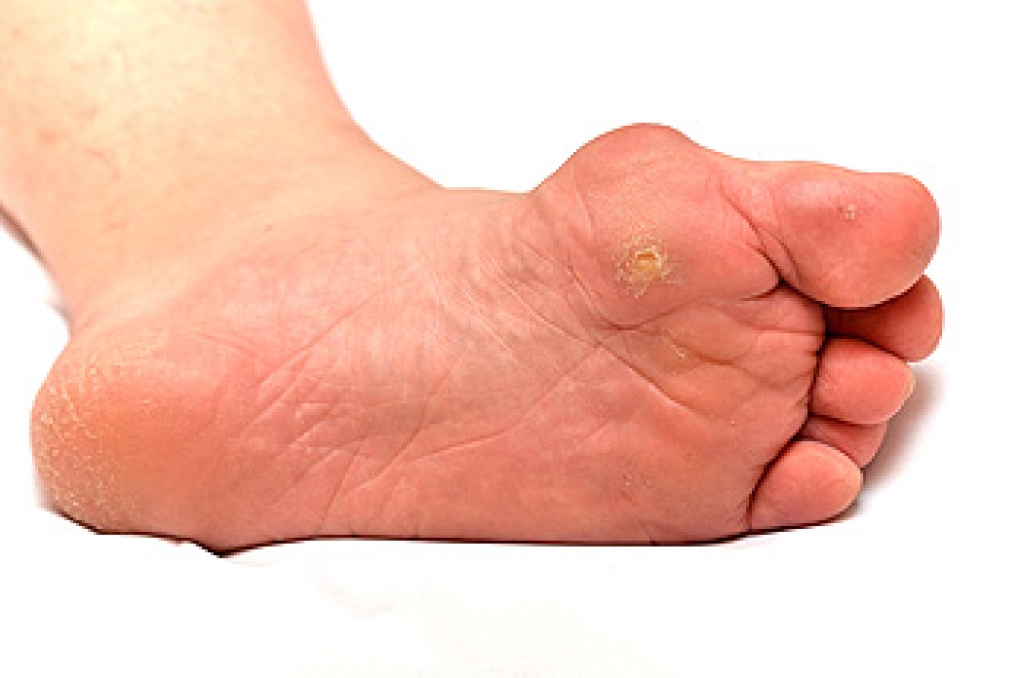
Diabetes can affect the feet in many ways, often developing slowly and without obvious symptoms, at first. High blood sugar levels can damage nerves, leading to diabetic neuropathy, which causes numbness, tingling, burning, or loss of sensation. When you cannot feel pain or pressure normally, small injuries may go unnoticed and become more serious. Diabetes also affects circulation, reducing blood flow to the feet and making it harder for cuts, blisters, or sores to heal. Dry, cracked skin, thickened nails, calluses, and changes in foot shape can also occur as the disease progresses. One of the most serious complications is the development of foot ulcers, which can become infected, if not treated promptly. Regular foot checks, wearing proper footwear, and early intervention from a podiatrist can help prevent complications and protect long-term foot health. If you have diabetes, it is suggested that you see a podiatrist for foot checks on a regular basis.

Diabetic foot care is important in preventing foot ailments such as ulcers. If you are suffering from diabetes or have any other concerns about your feet, contact one of our podiatrists from Ocotillo Foot and Ankle Centers. Our doctors can provide the care you need to keep you pain-free and on your feet.

Diabetic Foot Care

Diabetes affects millions of people every year. The condition can damage blood vessels in many parts of the body, especially the feet. Because of this, taking care of your feet is essential if you have diabetes, and having a podiatrist help monitor your foot health is highly recommended.

The Importance of Caring for Your Feet

  • Routinely inspect your feet for bruises or sores.
  • Wear socks that fit your feet comfortably.
  • Wear comfortable shoes that provide adequate support.

Patients with diabetes should have their doctor monitor their blood levels, as blood sugar levels play such a huge role in diabetic care. Monitoring these levels on a regular basis is highly advised.

It is always best to inform your healthcare professional of any concerns you may have regarding your feet, especially for diabetic patients. Early treatment and routine foot examinations are keys to maintaining proper health, especially because severe complications can arise if proper treatment is not applied.

If you have any questions, please feel free to contact our offices located in Chandler, and Phoenix, AZ . We offer the newest diagnostic and treatment technologies for all your foot care needs.
Read more about Diabetic Foot Conditions
scroll to top